Written By

Sonju Ghosh
Growth Lead
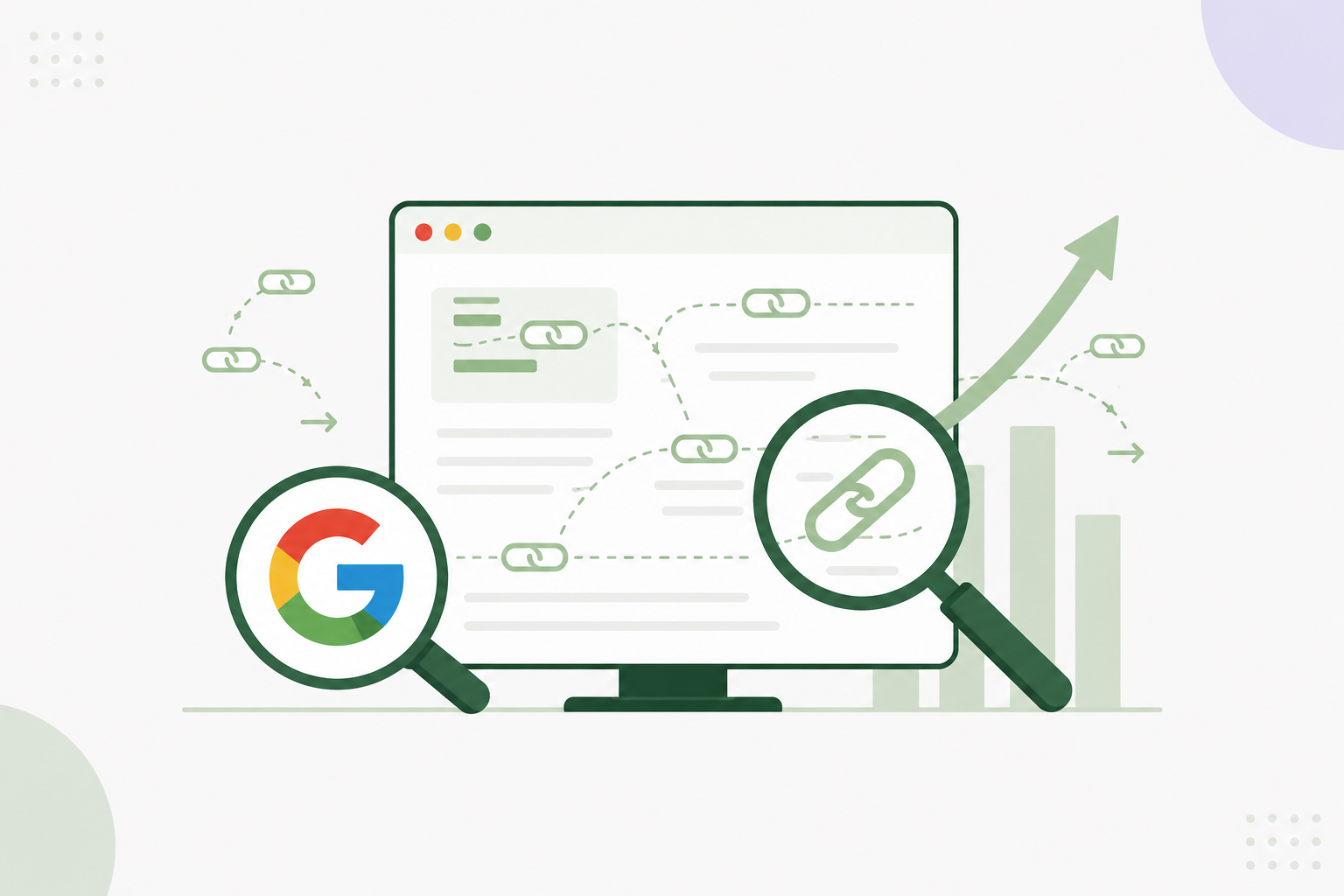
If your website isn't ranking on Google despite publishing quality content, you're not alone. Many website owners focus heavily on keywords, backlinks, and content creation ? but often overlook one powerful SEO factor: internal linking strategy.
An effective internal linking strategy helps search engines understand your website structure, discover new pages, and distribute authority across your content. Without proper internal links, even your best articles can remain hidden, struggling to gain visibility in search results.
Think of internal links as the roadmap of your website. They guide both users and search engines to your most important pages, improving crawlability, increasing engagement, and boosting your chances of ranking higher.
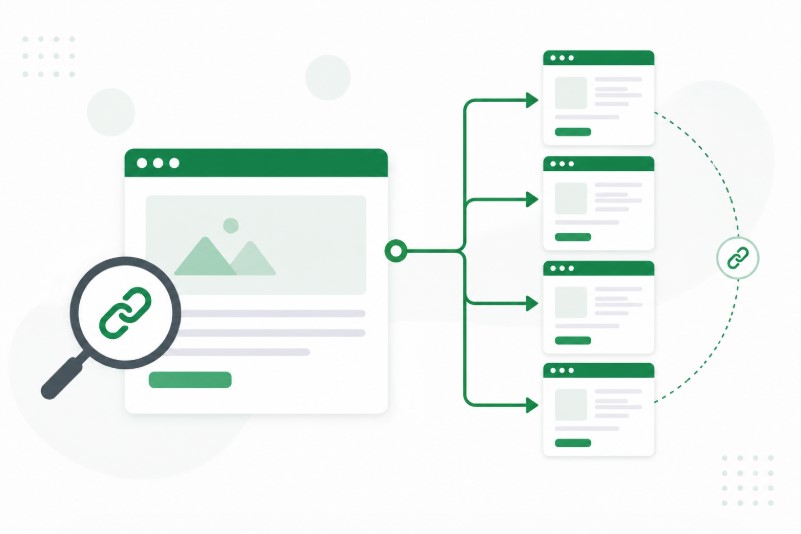
💡Is link equity leaking from your best pages? Dofollo finds it free — no credit card, no setup time.
Start Free AuditThe Role of Internal Linking in Boosting SEO Rankings
Internal linking is one of the most underrated yet powerful elements of on-page SEO. It refers to the practice of connecting one page of your website to another through hyperlinks. A well-planned internal linking strategy plays a crucial role in helping search engines understand your site's structure and the relationship between different pieces of content.
When search engine crawlers visit your website, they follow internal links to discover new pages and index them efficiently. Without proper internal linking, some of your valuable content may remain unnoticed, which can directly affect your rankings. A strong internal linking structure ensures that authority flows across your pages, helping both new and existing content perform better in search results.
Why Internal Linking Matters for Search Engines
Search engines rely on internal links to crawl and index your website effectively. These links act as pathways that guide bots to different pages, ensuring that no important content is left behind. If your pages are not properly linked, search engines may struggle to find and rank them.
A solid internal linking strategy also helps distribute link equity throughout your website. When high-authority pages link to other relevant pages, they pass value ? increasing the chances of those pages ranking higher on Google.
How Internal Links Impact Rankings on Google
Internal links directly influence how Google evaluates the importance and relevance of your pages. Pages with more internal links ? especially from high-value content ? are often seen as more important, which can improve their ranking potential.
Optimized anchor text within your internal links also provides context to search engines about what the linked page is about, helping Google match your content with relevant search queries.
What Is Internal Linking in SEO?
Internal linking in SEO refers to the process of connecting one page of your website to another page within the same domain using hyperlinks. Instead of treating each page as a separate piece, internal links create a structured network of content that makes it easier for search engines to understand which pages are most important and where to pass ranking value.
Definition and Simple Examples
An internal link is any link that points from one page on your website to another page on the same website. For example:
- A blog post about SEO linking to another article on keyword research
- A homepage linking to service pages
- A product page linking to related products
A strong internal linking strategy ensures that these links are placed naturally within content, helping users discover more relevant information while improving SEO performance.
Internal Links vs External Links
Internal links connect pages within the same website ? they help with navigation, improve crawlability, and distribute link authority across your site. External links point from your website to a different domain ? useful for citing sources and building credibility.
While external links help build trust and authority, internal links are essential for controlling how that authority flows within your website.
Top Reasons Your Website Isn't Ranking
If your website is not appearing on the first page of Google, the problem may be your internal linking strategy. Poor internal linking can confuse search engines, limit page authority flow, and make it harder for your content to rank.
Lack of Proper Website Structure
A disorganized website structure makes it difficult for search engines to understand the hierarchy of your content. A strong internal linking strategy creates a clear structure ? typically starting from the homepage, moving to category pages, and then to individual posts or service pages.
Orphan Pages with No Internal Links
Orphan pages are pages that have no internal links pointing to them. Search engine crawlers cannot easily discover or access them. Even if the content on these pages is valuable, they are essentially invisible to search engines. Integrating these pages into your internal linking strategy ensures every important page has a chance to rank.
Poor Anchor Text Optimization
Using generic anchor text like "click here" or "read more" does not provide enough context to search engines. A well-planned internal linking strategy uses descriptive, keyword-rich anchor text that clearly explains what the linked page is about.
Too Few Internal Links
If your pages have very few internal links, search engines may not find enough signals to determine their importance. Adding relevant internal links throughout your content helps distribute authority and keeps users engaged by guiding them to related topics.
Over-Optimization of Internal Links
Stuffing too many links into a single page or using the same keyword-rich anchor text repeatedly can appear spammy to search engines. An effective internal linking strategy focuses on quality over quantity ? links should be natural, relevant, and helpful to users.
How Internal Linking Improves SEO Performance
Better Crawlability and Indexing
Internal links act as pathways that guide search engine bots from one page to another. Without proper linking, some pages may remain undiscovered or take longer to get indexed. A strong internal linking strategy ensures all important pages are easily accessible, helping your content appear in search results faster.
Distributing Link Equity Across Pages
Link equity ? also known as link juice ? is the value passed from one page to another through links. Pages with high authority can pass some of their strength to other pages via internal links. A smart internal linking strategy ensures this authority is distributed evenly, helping boost the ranking potential of weaker or newly published pages.
Improving User Experience and Engagement
When users can easily navigate between related topics, they are more likely to stay on your site longer and explore more content. A well-structured internal linking strategy reduces bounce rate, increases time on site, and keeps users engaged ? all of which indirectly improve your SEO performance.
Best Internal Linking Strategies to Boost Rankings
Use Topic Clusters and Content Hubs
Create a main pillar page that covers a broad topic and link it to multiple related subtopics. For example, a pillar page about SEO can link to articles on keyword research, on-page SEO, and link building. This helps search engines understand content relationships and boosts the authority of the main topic.
Add Contextual Links Within Content
Contextual links are placed naturally within your content where they add value to the reader. These are more effective than links placed in footers or sidebars because they provide relevant context. When you mention a related topic in your article, linking to another relevant page improves both SEO and user experience.
Optimize Anchor Text with Keywords
Use descriptive, keyword-rich anchor text instead of generic phrases like "click here." However, avoid over-optimization ? keep anchor text natural and varied to maintain readability and avoid spam signals.
Link to High-Value and Conversion Pages
Your internal linking strategy should prioritize linking to high-value pages ? like service pages, product pages, or lead generation pages ? from high-traffic content. This not only passes authority but also directs users toward actions that matter, such as making a purchase or filling out a form.
Common Internal Linking Mistakes to Avoid
Using Generic Anchor Text
Vague anchor text like "click here" or "read more" provides no meaningful context to search engines. Use descriptive, keyword-relevant anchor text that clearly indicates what the linked page is about.
Ignoring Deep Pages
Deep pages that are not easily accessible from your homepage or main navigation may struggle to get indexed or ranked. A strong internal linking strategy ensures that even deeper pages are connected through relevant links, making it easier for both users and search engines to discover them.
Linking Too Many Times to the Same Page
Repeatedly linking to the same page within a single article can look unnatural and spammy, and can also dilute the value of each link. Distribute links across multiple relevant pages to spread link equity evenly.
How to Audit Your Internal Linking Structure
Regular audits help you identify hidden issues that may be holding your rankings back. A proper internal link audit ensures that all your pages are connected, optimized, and contributing to your overall SEO goals.
Identify Broken and Orphan Links
Broken links lead to non-existing pages, creating a poor user experience and wasting crawl budget. Orphan pages have no internal links pointing to them, making them hard for search engines to discover. Regularly checking and fixing these issues helps maintain a healthy website structure.
Use SEO Tools for Internal Link Analysis
Manually auditing internal links can be time-consuming for large websites. Tools like Dofollo.ai can help you analyze your internal linking structure quickly ? identifying link gaps, detecting orphan pages, and providing actionable insights to optimize your site structure.
Fix Gaps in Link Distribution
Some pages may receive too many links while others get very few or none at all. A balanced internal linking strategy ensures that link equity is distributed evenly. Add relevant internal links to underlinked pages and reduce excessive links on others to create a more optimized, SEO-friendly structure.
How AI Can Automate Internal Linking
Managing internal links manually can be time-consuming, especially as your website grows. AI-powered tools are transforming the way websites handle their internal linking strategy ? identifying opportunities, optimizing links, and scaling SEO efforts without hours of manual work.
Finding Hidden Linking Opportunities
Platforms like Dofollo.ai analyze your content and suggest smart internal links that you might otherwise miss ? ensuring no valuable linking opportunities are left unused.
Automating Anchor Text Optimization
AI tools automatically generate natural, keyword-rich anchor text based on your content, ensuring that your internal links remain relevant, diverse, and optimized for search engines without sounding forced.
Scaling Internal Linking with AI Tools
With Dofollo.ai, you can scale your internal linking strategy effortlessly. It continuously monitors your content, updates internal links, and ensures that new pages are properly integrated into your site structure as your website grows.
Final Thoughts: Fix Your Internal Linking to Rank Higher
If your website isn't ranking despite your efforts, the missing piece could be your internal linking strategy. Internal linking is not just a technical SEO task ? it's a powerful way to guide search engines, improve user experience, and unlock the full potential of your content.
By building a clear, structured, and strategic internal linking system, you make it easier for Google to understand your website and reward it with better visibility. The good news is that internal linking is fully within your control, meaning you can start improving your rankings without relying solely on external factors.
Key Takeaways for Better Rankings
- Build a logical site hierarchy where important pages receive more internal links
- Use relevant and descriptive anchor text
- Avoid orphan pages
- Ensure link equity flows naturally across your content
- Run regular audits to fix broken links and update outdated connections
Next Steps to Improve Your SEO Strategy
Start by reviewing your existing internal links and identifying gaps. Add contextual links to important pages, connect related content, and strengthen your overall site architecture. Leverage tools like Dofollo.ai to automate and optimize your internal linking process ? saving time, reducing manual errors, and helping you scale your efforts more effectively.
About The Author